
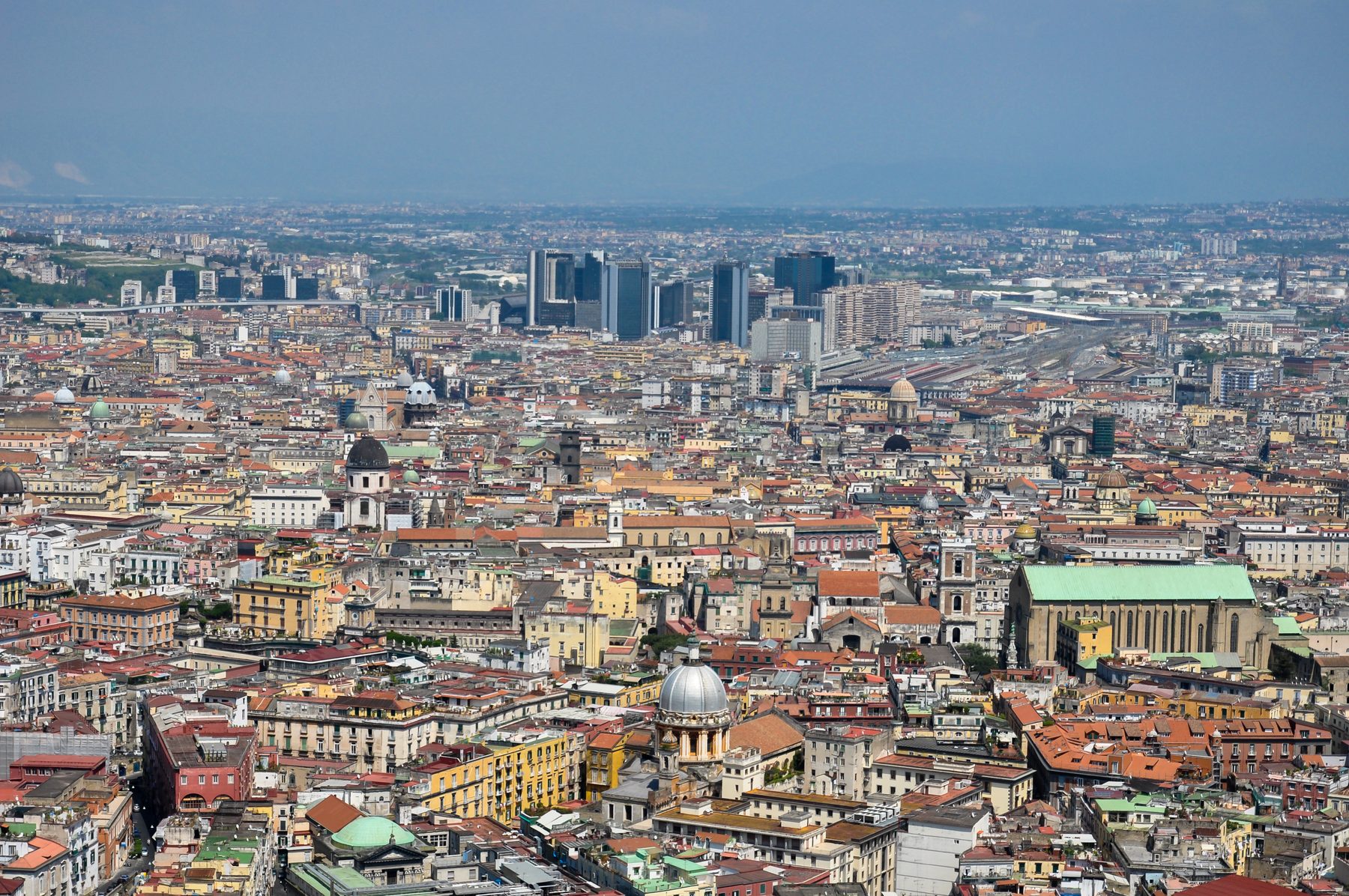
Two days isn't much time for Naples, but it's enough to fall in love with it. The secret is not to chase everything: group your stops by area, walk a lot and leave room for an espresso at the counter or a detour down an alleyway. This itinerary is designed for first-time visitors staying in the center, like our guests at Gloves Rooms, between the Rione Sanità and the Archaeological Museum.
Before you go: 5 things to know
- Stay in the center. With only two days, every journey counts. A base in the historic center or near a metro station lets you do almost everything on foot and pop back for a break in a few minutes.
- Book the Sansevero Chapel. The Veiled Christ is one of the most visited works of art in the city and entry is limited: book online as soon as you know your dates.
- Check closing days. The National Archaeological Museum and the Sansevero Chapel are normally closed on Tuesdays. On the first Sunday of the month, state museums are free and therefore very crowded.
- Comfortable shoes, always. Naples is a city to explore on foot, but with its hills, stairways and lava-stone paving, good shoes make all the difference.
- Use Metro Line 1. It connects Museo, Dante, Toledo and Municipio and is the fastest way to get between the historic center, Via Toledo and the port. Many of its stations are also works of contemporary art.
Day 1: the Sanità, archaeology and the historic center
Day one stays entirely in the ancient heart of the city, the historic center that has been a UNESCO World Heritage Site since 1995. Distances are short, but there's an enormous amount to see: choose according to your interests and don't feel guilty about skipping something.
Morning, 9 a.m.The Rione Sanità
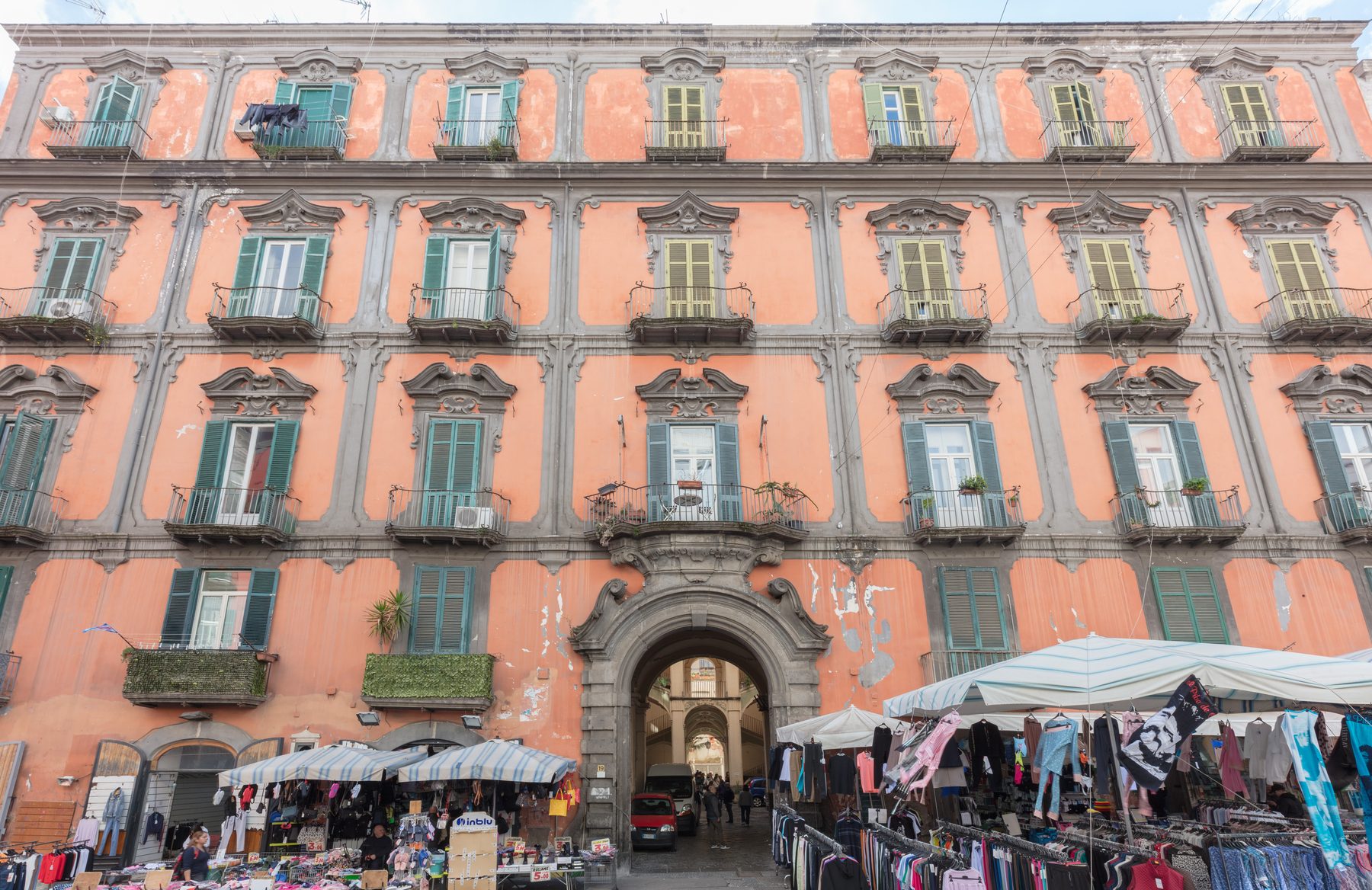
Start with a Neapolitan breakfast: an espresso and a sfogliatella, or a fiocco di neve from Pasticceria Poppella, a pastry born right here in the Sanità. Then explore the district, one of the most authentic in Naples. Stop in front of Palazzo dello Spagnolo, with its open “falcon-wing” staircase, and Palazzo Sanfelice. If you have time, the Basilica of Santa Maria della Sanità stands above the Catacombs of San Gaudioso.
Morning, 10:30 a.m.The National Archaeological Museum
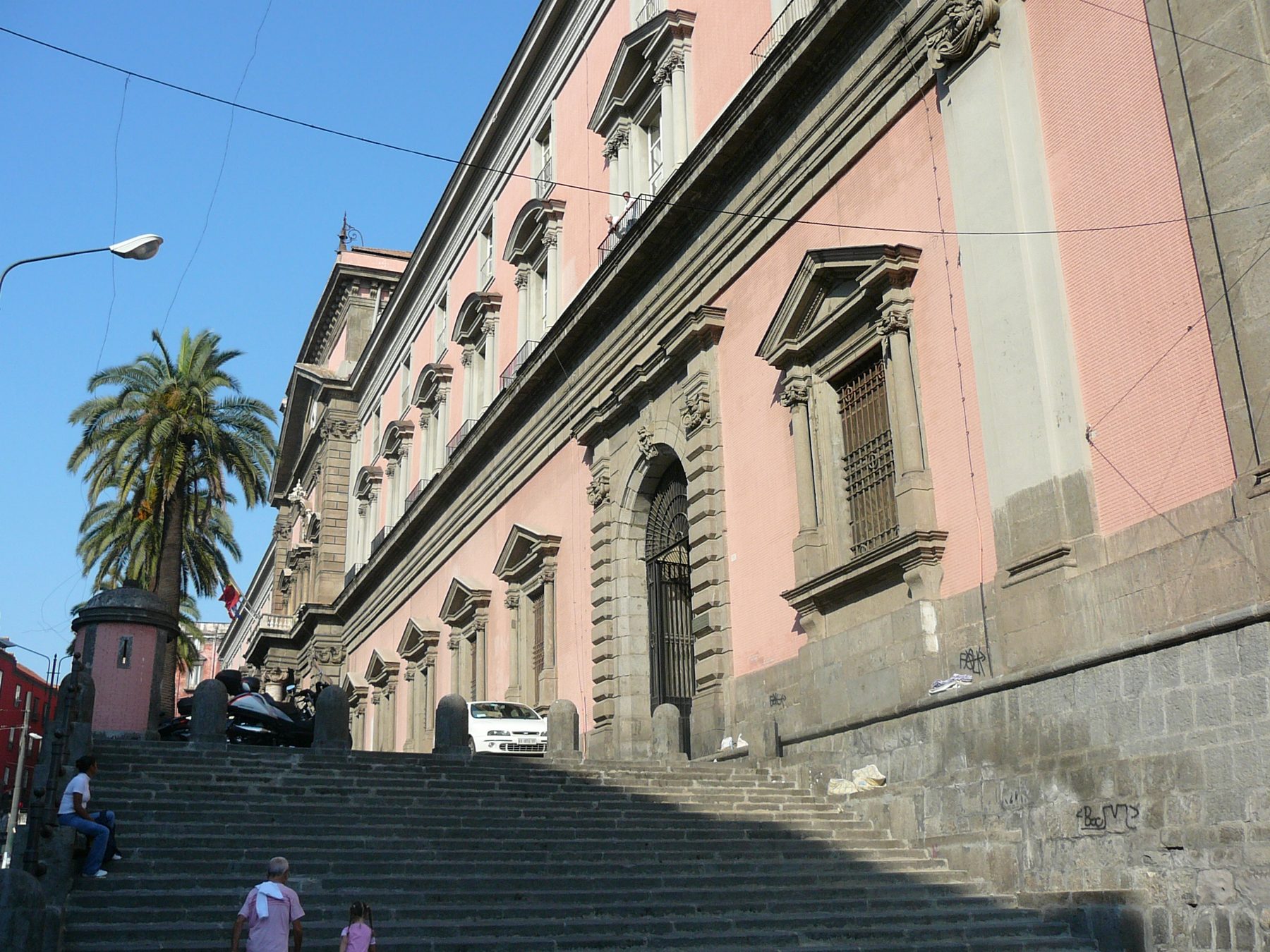
From the Sanità, walk to the MANN, one of the most important archaeological museums in the world. If you're short on time, focus on three sections: the Farnese Collection with its monumental sculptures, the mosaics and frescoes from Pompeii and Herculaneum, and the Secret Cabinet. Allow at least two hours.
Lunch, 1 p.m.Pizza between Piazza Cavour and Via dei Tribunali
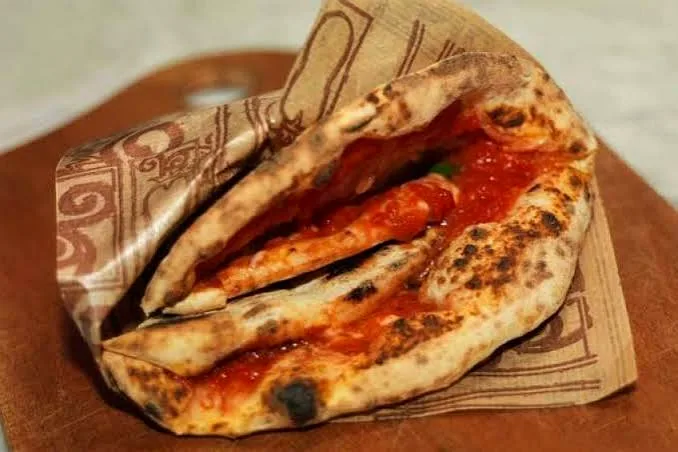
Lunch on day one has to be pizza. Near the museum is the historic Pizzeria Lombardi on Via Foria; alternatively, head down to Via dei Tribunali, where one pizzeria follows another. If you're in a hurry, a pizza a portafoglio, folded in four and eaten on the street, is perfect.
Afternoon, 2:30 p.m.The decumani, San Gregorio Armeno and the Veiled Christ
Enter the old town from Piazza Bellini, where you can still see the remains of the Greek walls, and walk along Via dei Tribunali, the main decumanus. Along the way you'll find the Pio Monte della Misericordia, home to Caravaggio's “Seven Works of Mercy,” and a little further on the Duomo, with the Chapel of the Treasure of San Gennaro.
Head back and walk down San Gregorio Armeno, the street of the nativity-scene artisans: the workshops are open all year round, but the street gets especially crowded in November and December. From here, make your way to the Sansevero Chapel for Giuseppe Sanmartino's Veiled Christ, a sculpture in which the marble truly looks like a sheer veil.
If you still have energy, Napoli Sotterranea (Underground Naples) starts from Piazza San Gaetano: a guided tour of cisterns and tunnels carved into the tuff rock, about 40 meters beneath the city.
Late afternoon, 5:30 p.m.Spaccanapoli, Santa Chiara and Gesù Nuovo
Turn onto Spaccanapoli, the lower decumanus that cuts through the center in a straight line. Pass through Piazza San Domenico Maggiore to reach the Santa Chiara complex, with its cloister covered in majolica tiles, and the church of Gesù Nuovo, recognizable by its diamond-point facade.
EveningAperitivo and dinner in the old town
Piazza Bellini is the place for an open-air aperitivo. For dinner, stay in the historic center or head back toward the Sanità for a quieter evening. From Dante station on Metro Line 1, Museo is just one stop away.
A tip from Gloves Rooms: don't try to go inside everywhere. In the historic center, walking, looking at the street shrines and stopping in the workshops are all part of the visit. Choose two or three places to enter and enjoy the rest at a relaxed pace.
Day 2: Via Toledo, royal Naples and the sea
On day two, head down toward the sea and discover monumental Naples: royal palaces, theaters, galleries and the waterfront with Vesuvius in the background.
Morning, 9:30 a.m.Via Toledo and the art station
Start from Piazza Dante and stroll down Via Toledo, the city's main street for shopping and people-watching. Take a detour into Toledo metro station: its “crater de luz,” a huge cone lined with blue mosaics, is often named among the most beautiful stations in Europe.
Morning, 11 a.m.The Spanish Quarter and the Maradona mural
To the right of Via Toledo lies the Spanish Quarter, built in the 16th century to house Spanish troops. Between washing lines, scooters and bassi, the ground-floor homes that open straight onto the street, make your way to Largo Maradona, where the famous mural has become a place of collective memory for the whole city.
Lunch, 1 p.m.Traditional cooking in Piazza Carità
For a lively Neapolitan lunch, try Trattoria da Nennella at Piazza Carità 22: there are no reservations, you leave your name on the waiting list and eat amid singing and banter. If you'd prefer something quieter, there are plenty of trattorias and friggitorie (fried-food shops) nearby.
Afternoon, 3 p.m.Galleria Umberto I, the San Carlo and Piazza del Plebiscito
Walk back along Via Toledo to Galleria Umberto I, with its late-19th-century glass and iron dome. Opposite stands the Teatro di San Carlo, the oldest opera house still in operation in Europe, opened in 1737. A few steps further and you're in Piazza del Plebiscito, between the Royal Palace and the Basilica of San Francesco di Paola. For a break, Gran Caffè Gambrinus is an institution: it's where the tradition of the caffè sospeso, the “suspended coffee” paid forward for a stranger, was born.
Late afternoon, 5 p.m.Castel dell'Ovo and the waterfront
Head down to Santa Lucia and cross the causeway to Castel dell'Ovo and the Borgo Marinari, the little fishermen's harbor. Then walk along the Lungomare Caracciolo: in the sunset light, the gulf and Vesuvius are the best possible way to end your trip.
EveningChiaia, or the Vomero from above
For dinner and a drink, the Chiaia neighborhood is just a short walk from the waterfront. If you'd prefer a view, take the Funicolare Centrale up to the Vomero from Via Toledo: from the Belvedere di San Martino and Castel Sant'Elmo you can see the whole city, from the historic center to the sea. To get back to the center, take Metro Line 1.
What to eat in two days
In Naples, food is as much a part of the trip as the monuments. In two days, try at least these:
- Neapolitan pizza: margherita or marinara, in a pizzeria or a portafoglio on the street.
- Frittatina and cuoppo: a frittatina is fried pasta with béchamel; a cuoppo is a paper cone filled with fried treats.
- Sfogliatella: riccia, crisp and layered, or frolla, softer. Both are filled with ricotta and semolina.
- Babà: the rum-soaked cake you have to try at least once.
- Coffee: at the counter, short and strong, often served with a glass of water.
For a few addresses near the B&B, from pastry shops to seafood restaurants, read our guide to the flavors of Naples.
If it rains, or if you have an extra half day
If it rains, move the main stops indoors: the Archaeological Museum, Napoli Sotterranea, the Sansevero Chapel and the Royal Palace can easily fill a whole day. Galleria Umberto I keeps you dry as you move between Via Toledo and Piazza del Plebiscito.
If you have an extra half day, choose between the Capodimonte Museum and Royal Park, with its vast grounds and works by Caravaggio, Titian and Raphael, the Catacombs of San Gennaro, or the Fontanelle Cemetery, both close to the Sanità. For a complete three-day plan, read our Naples in 3 days itinerary.
Frequently asked questions
Are two days enough to visit Naples?
They're enough to see the main sights: the historic center, the Archaeological Museum, Via Toledo, Piazza del Plebiscito and the waterfront. For Pompeii, Capri or the Amalfi Coast, you'll need at least one or two more days.
Where is the best place to stay for 2 days in Naples?
In the historic center or near a Metro Line 1 station, so you can get around on foot and get back quickly. Gloves Rooms, for example, is between the Rione Sanità and the Archaeological Museum, a few minutes from Museo station.
Can you visit Naples on foot?
Yes: almost all of this itinerary can be done on foot. The metro is useful for shortening the trip back or for going up to the Vomero. Bear in mind, though, that there are hills, steps and very busy streets.
What should you book in advance?
The Sansevero Chapel should be booked online, especially on weekends and during holidays. Booking is also recommended for Napoli Sotterranea and the Teatro di San Carlo; for the Archaeological Museum, you can usually buy tickets on-site or online.
What is the worst day to visit Naples?
Tuesday, if you want to see the Archaeological Museum and the Sansevero Chapel, which are normally closed. Always check opening hours and closures on the official websites before you go.
Opening hours, closures and prices change often: always check the official websites before your visit.